The Tote
Vegetable-tanned and unlined, so you see the leather from both sides. Fits a 14-inch laptop.
Waitlist open · first release this autumn
Full-grain leather that darkens where you hold it. Saddle-stitched by hand at every seam that carries weight. Made to be repaired rather than replaced — and priced so you'd actually use it.
Shown in outline until launch
Vegetable-tanned and unlined, so you see the leather from both sides. Fits a 14-inch laptop.
Structured flap, solid brass hardware. Sits flat against the body instead of swinging.
Phone, cards, keys. The strap moves from hip to shoulder without a tool.
Full-grain and vegetable-tanned — the outermost layer of the hide, nothing sanded off. It scuffs and darkens instead of peeling. You'll like it more in year five than in week one.
Saddle-stitched by hand at every seam that carries weight. Two needles, one thread, locked in both directions. A machine seam unravels from one broken stitch. This one doesn't.
€220, and €220 in year five. No launch discount to wait for, no seasonal sale to time. It's what the bag costs to make properly, plus enough to keep making them.
Who makes this
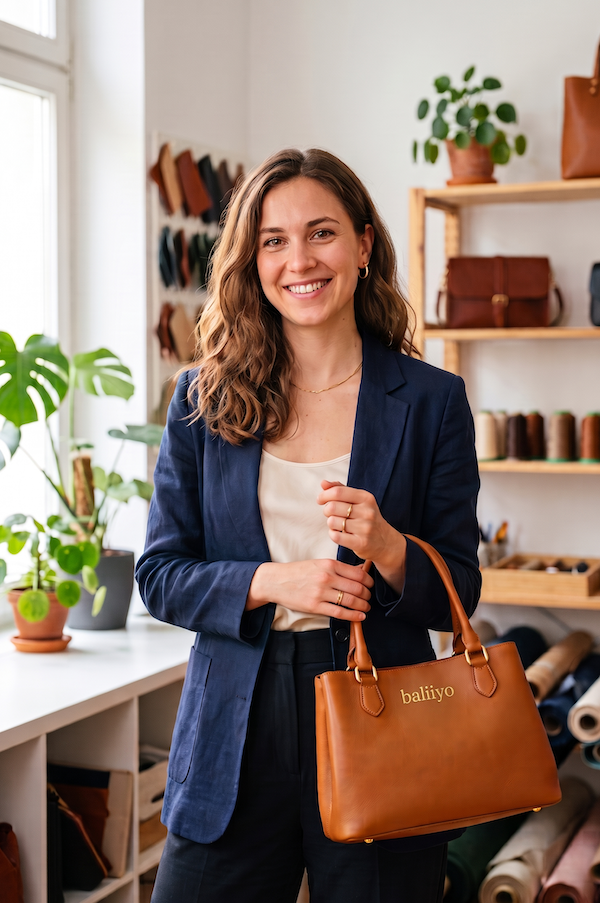
I grew up around the word baliyo. It's what my grandmother called anything built to last: a rope, a roof, a person. She used it about a bag she'd carried for thirty years, and never about one she'd bought that year.
baliiyo is made in Kathmandu and run from London. Kathmandu isn't where we went to make it cheaply — it's where the hands are, and it's where the word comes from. The workshop is [Werkstatt]; the leather is tanned at [Gerberei]. I'm there [x] times a year, and I know everyone who touches your bag.
If a seam goes, send it back. I'll restitch it and cover the postage both ways, for as long as baliiyo exists.
Hope KC